
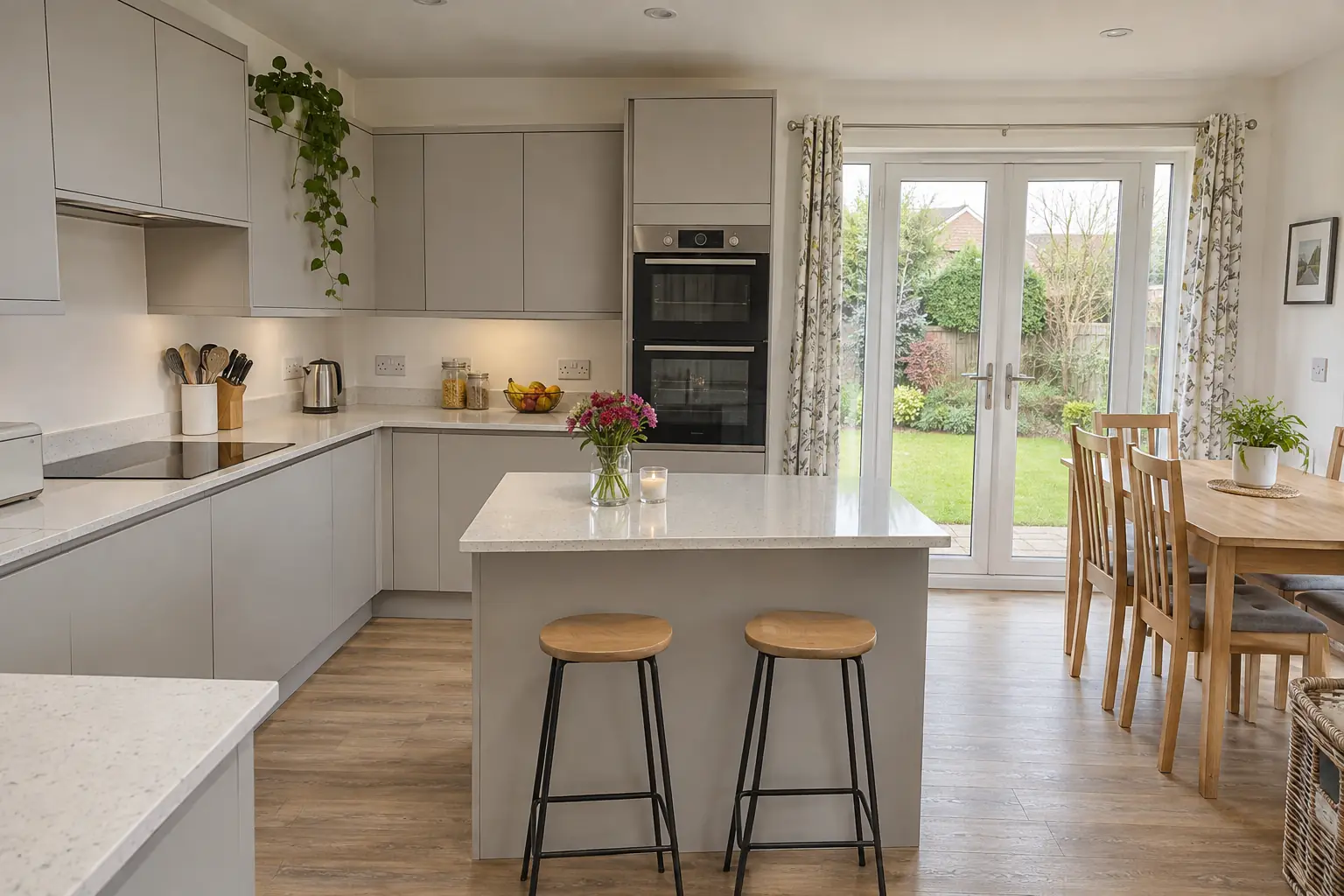
Kitchen Layout Ideas: Galley, L-Shaped, U-Shaped and Island
Kitchen layout ideas: galley, single wall, L-shaped, U-shaped, island and peninsula, with the space each needs and which Glasgow homes suit them.
Laminate is best for a tight budget and a quick fit, quartz is best if you want the hardest-wearing, lowest-maintenance surface, and solid wood is best if you love a natural look and don't mind oiling it. With us, laminate worktop replacement costs from £395 and usually takes a day; solid wood and quartz are priced after measuring or templating, with no VAT added.
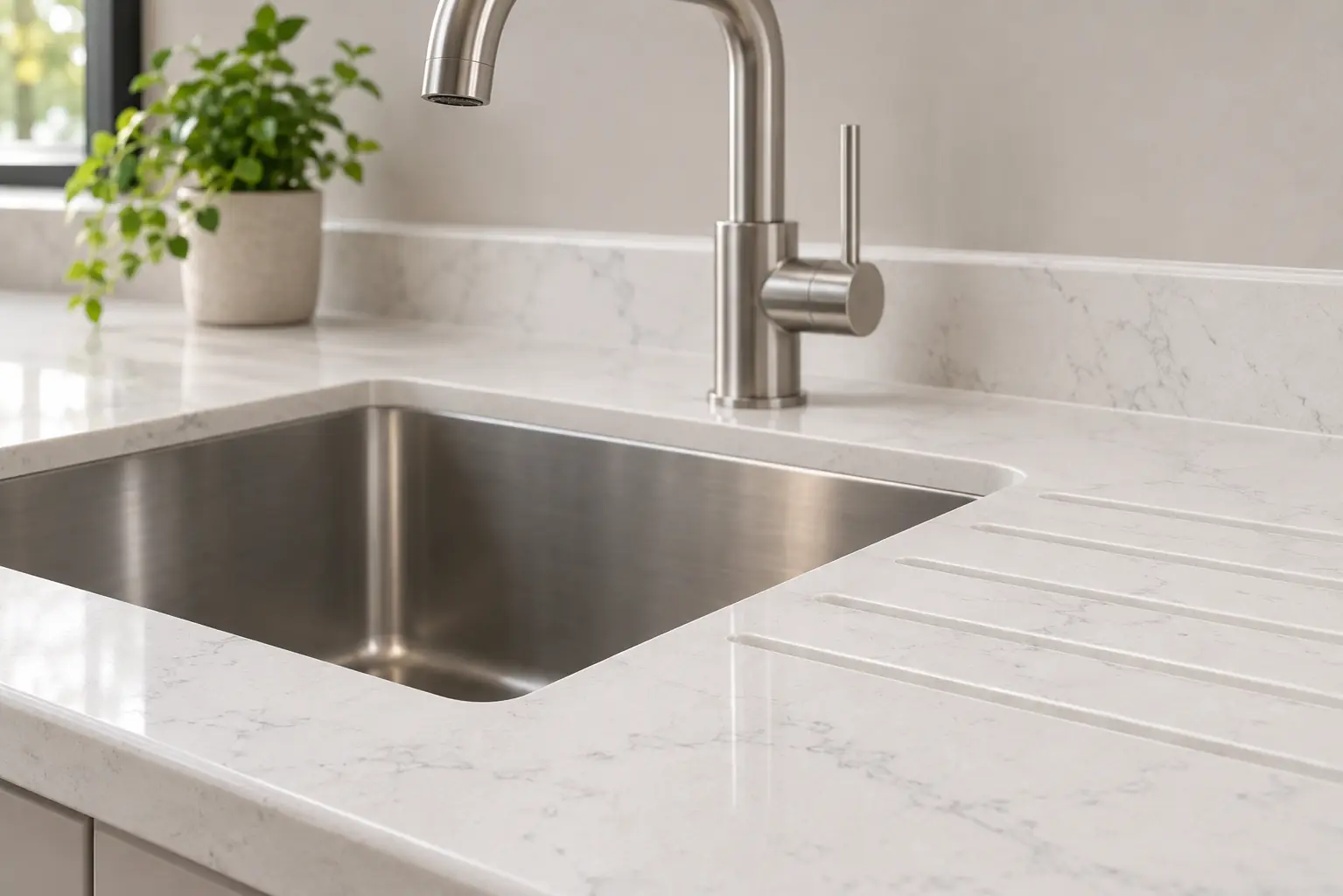
There's no single best worktop, because each material wins on something different. The right one depends on your budget, how hard you are on a kitchen and how much care you're happy to give it. This table matches each material to the kind of household it suits best.
| Material | Best for | Think twice if |
|---|---|---|
| Laminate | Tight budgets, rentals, quick refreshes, busy family kitchens | You want an undermount sink or a seamless stone look |
| Quartz | Heavy daily use, easy cleaning, a modern stone look | You're on a tight budget or the slab can't get up your stair in one piece |
| Solid wood | A warm, natural look, period homes, people who enjoy looking after things | You leave water sitting by the sink or never want to oil a worktop |
Laminate is the cheapest to buy and to fit, solid wood sits in the middle and quartz costs the most. The material is usually the bigger part of the bill, so get a material price and a fitting price before you decide.
| Worktop | Our fitting price | Time | Why it costs what it does |
|---|---|---|---|
| Laminate | Replacement from £395; most jobs £395 to £850 | Usually 1 day | Cut, joined and fitted on site in one visit |
| Solid wood | Priced after measuring | 1 to 2 days | Oiled on every face before fitting, then again after |
| Quartz | Priced after templating | Two visits, about 1 to 2 weeks apart | Templated once the units are in, then made to measure off site |
Prices checked November 2026; no VAT is added. New worktops fitted as part of a whole kitchen are included in our fit-only and supply and fit prices instead.
Laminate worktops are a printed, hard-wearing surface bonded onto a chipboard core. They're the most affordable option and come in a huge range of colours and stone or wood effects.
Quartz worktops are an engineered stone, made mostly from crushed quartz bound with resin. They're hard, non-porous and consistent in colour, which is why they've become so popular.
Solid wood worktops are made from strips of timber, such as oak or walnut, glued into boards. They bring warmth that no other material matches, and they suit both modern and period kitchens.
Quartz is the best choice for an undermount sink, with solid wood a good second. An undermount sink sits beneath the worktop, so the edge of the cut-out is on show and around water all day. Quartz handles that perfectly because it's non-porous and polished. Solid wood can work if the cut edge is properly sealed and kept oiled. Standard laminate isn't usually suitable, because its chipboard core would be exposed.
All three can work in a tenement, but think about the stair before you choose quartz. Long, heavy slabs can't bend round a tight turn, so a joint may need to go where the slab can be carried in. Laminate and wood are cut on site, so length is rarely a problem. Solid wood also suits the period character of many sandstone tenements, while a pale quartz brightens a north-facing galley kitchen. Our tenement kitchen ideas guide has more on making a tenement kitchen work.
Tell us which material you're considering, and we'll measure up and give you a fixed price for fitting it, with no VAT added.
Quartz is better for durability, hygiene and undermount sinks, and laminate is better for budget and speed. Quartz resists scratches and doesn't need sealing, but it costs much more and takes two visits to fit. Laminate costs far less, fits in a day and comes in many finishes, but it can scorch and swells if water gets into a joint.
It's worth it if you cook a lot, want an undermount sink, or plan to stay in your home for years and want a surface that still looks new. If you're on a tight budget, selling soon or refreshing a rental, a good laminate fitted with well-sealed joints and cut-outs gives excellent value. Many people choose quartz for the main run and laminate elsewhere.
A hot mug is usually fine on quartz, but pans and trays straight from the hob or oven are a different matter. Quartz contains resin, which very high heat can damage, leaving a mark or a crack. The safe habit is to use a trivet or board for anything hot from the cooker. Check your quartz manufacturer's care guidance for the exact advice.
They can mark if water is left standing on them, especially around the sink, but rot is rare when they're oiled properly. We oil every face of the boards before fitting, including the underside and cut edges, then oil the top again after. Re-oil a few times a year, wipe up spills quickly, and marks can be sanded out if they happen.
Laminate usually takes one day, including refitting the sink and hob. Solid wood takes one to two days, because the boards are oiled before and after fitting. Quartz takes two visits: templating once the base units are fitted and level, then fitting about one to two weeks later, when the slabs come back from the fabricator. A temporary worktop can be fitted in between.
Yes, and it often works well. A common mix is quartz on an island or around the sink, where it works hardest, with laminate or solid wood on the other runs to keep the cost down. Plan where the materials meet at the design stage, because the thicknesses may differ and the join needs to look deliberate rather than accidental.
Small surface chips can sometimes be filled, but a laminate worktop that has swollen from water can't be repaired, because the chipboard core has absorbed the moisture. The swollen section, or the whole worktop, needs replacing. If the units underneath are sound, we can replace the worktops on their own, usually in a day, from £395 for laminate. Keeping joints and cut-outs well sealed is the best prevention.
Sometimes. A new worktop that's thicker than the old one sits higher on the wall, so the bottom row of tiles may need trimming, or you may prefer new upstands or a splashback. We check the tiles and the splashback at the survey and include any work in your quote, so there are no surprises on fitting day. Taking old tiles off can also mean some plastering.
Our fitting prices and timings are from our November 2026 price list, with no VAT added. Care advice is general; always follow your worktop manufacturer's guidance.
Related: Kitchen worktop fitting in Glasgow, Kitchen layout ideas and What order to renovate a kitchen.
Keep planning with these, or see every kitchen fitting guide.
Kitchen layout ideas: galley, single wall, L-shaped, U-shaped, island and peninsula, with the space each needs and which Glasgow homes suit them.
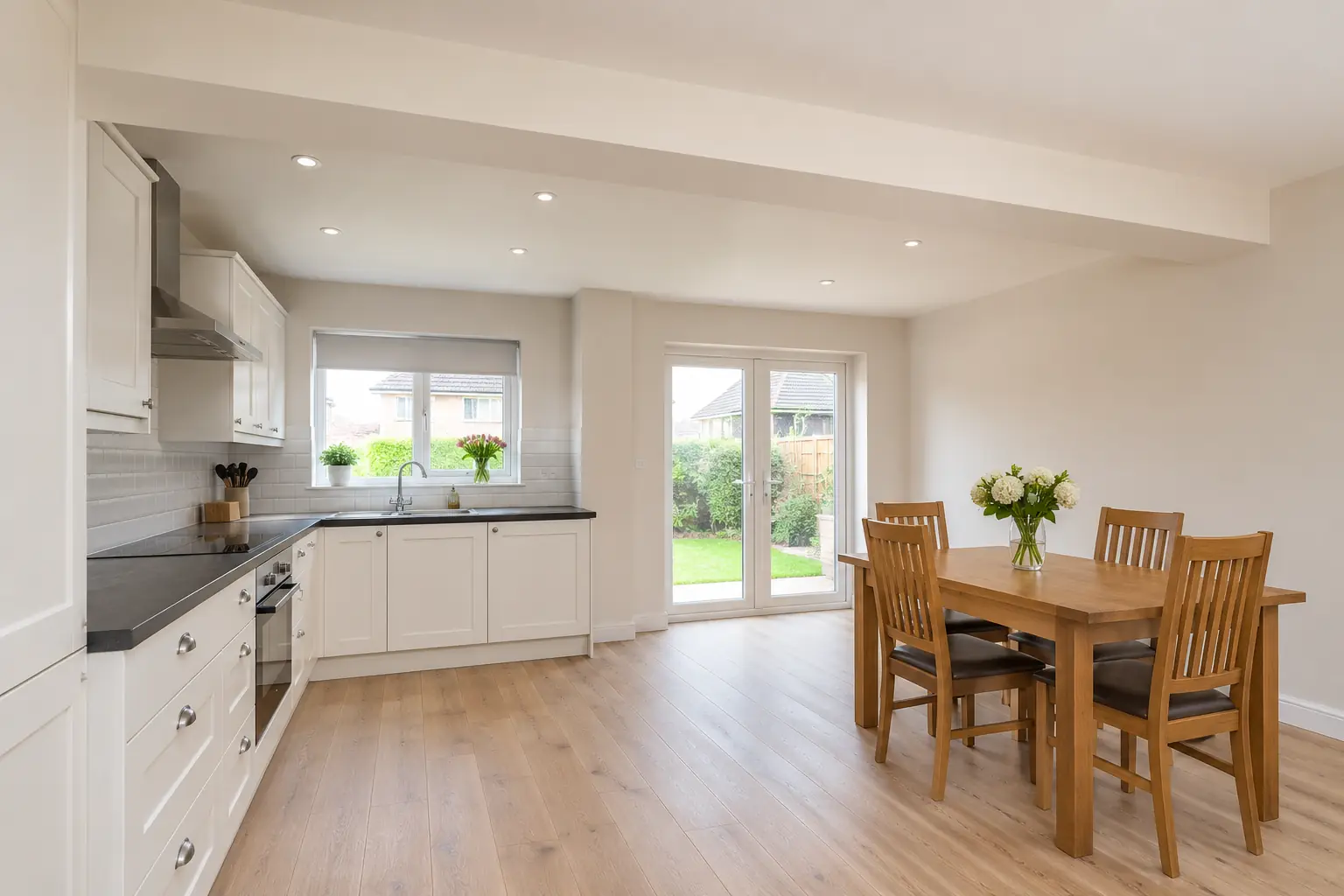
The right order to renovate a kitchen: strip out, first fix, plastering, flooring, units, worktops, second fix, tiling and decorating. With timings.
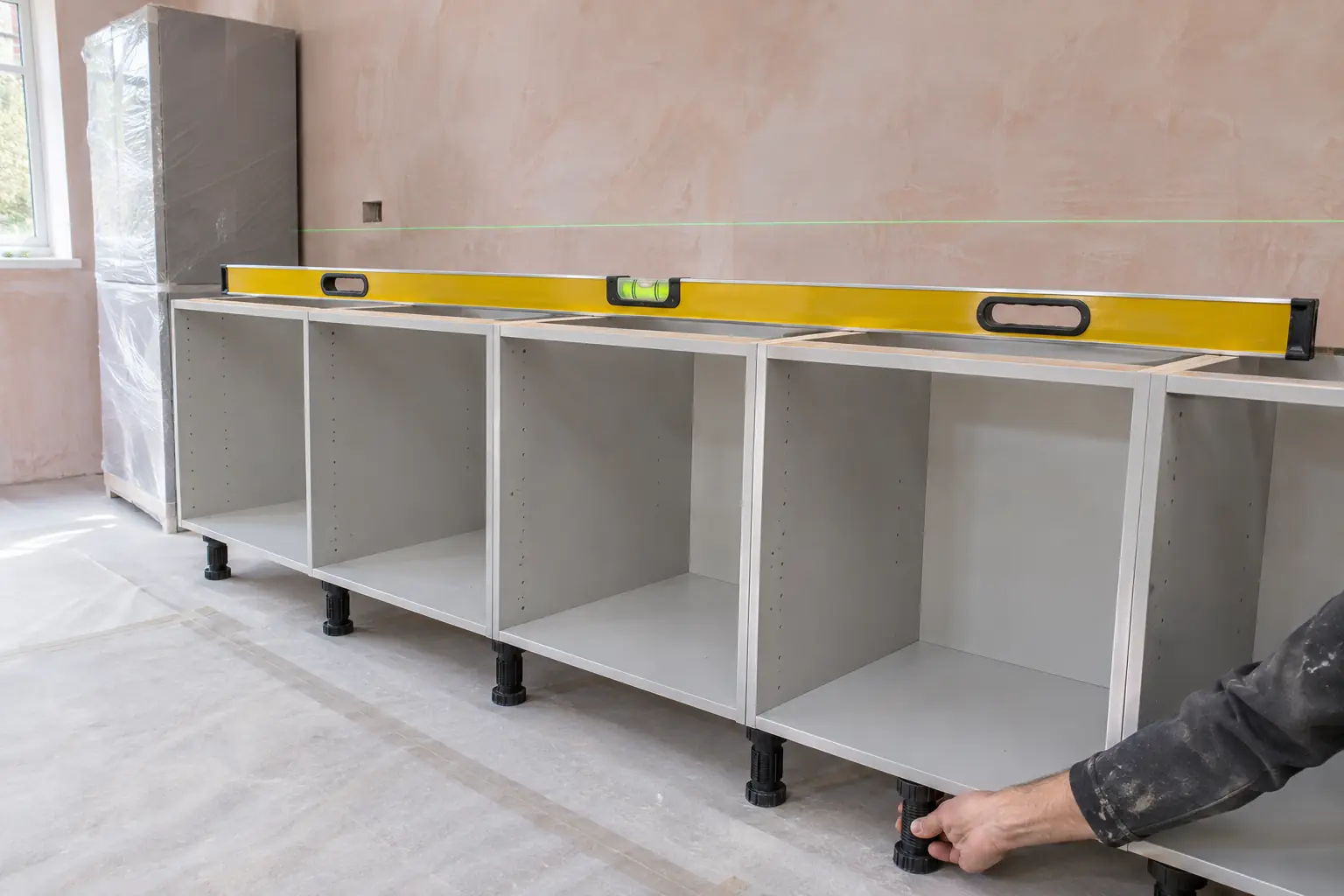
How long a kitchen takes to fit: 2 to 5 days for most fit-only kitchens, 4 to 6 for supply and fit, 2 to 3 weeks for a renovation, and what adds time.